Visiting the Utah State Capitol: Hours, Tours & Attractions
· updated
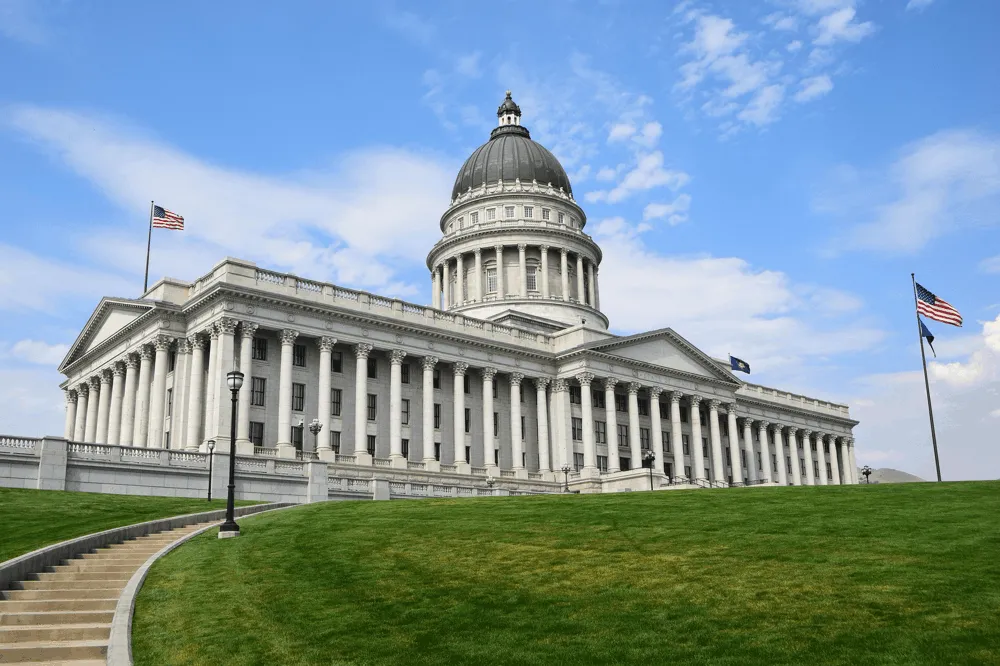
Perched above downtown Salt Lake City, the Utah State Capitol combines grand architecture, Utah history, mountain views, public art, and working government chambers in one memorable stop. Admission is free, and visitors can explore independently or join a weekday guided tour.
This Utah State Capitol visitor guide covers what to see, how tours work, where to park, accessibility, nearby attractions, and lodging options—including why The Anniversary Inn, Salt Lake City may appeal to couples planning a romantic city break.
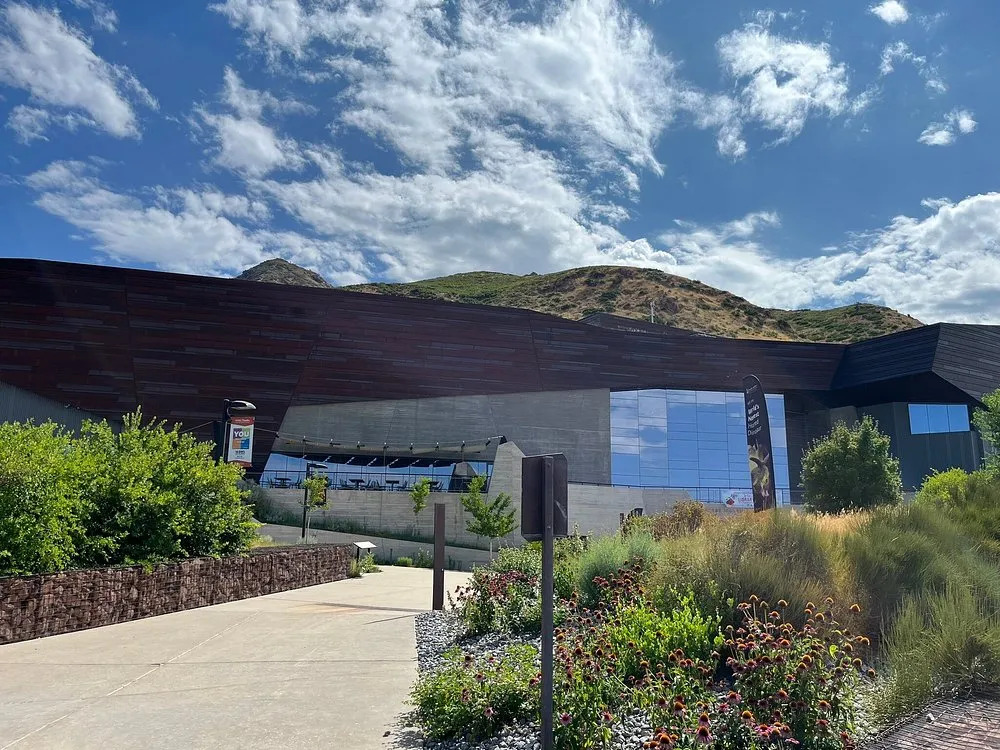
One important update for returning visitors: the Capitol complex now includes the Museum of Utah, which opened in 2026 inside the new North Capitol Building. It is Utah’s first state history museum and makes the complex a more substantial destination than it was in years past. Because government business, holidays, and special events can affect access, check the official Capitol and museum websites before leaving for your visit.
Utah State Capitol Visitor Guide at a Glance
The Utah State Capitol is located at 350 North State Street in Salt Lake City. The building stands on Capitol Hill, immediately north of downtown and overlooking the Salt Lake Valley.
Here are the essential details:
- Admission to the Capitol is free.
- Guided tours are generally offered Monday through Friday, except on state holidays.
- Tours begin on the hour from 10 a.m. through 3 p.m.
- A guided visit lasts approximately 40 to 45 minutes.
- Tours meet at the Visitor Center inside the east entrance.
- Self-guided visits are available during regular Capitol operating hours.
- Public parking is available in lots on the east and northeast sides of the complex.
- The Museum of Utah is free and open seven days a week, although holiday closures apply.
Reservations are particularly helpful for organized groups. The Capitol advises groups to submit a tour request to guarantee availability. Individual visitors may also want to confirm the schedule before arriving, as legislative activity, state holidays, docent training, and private events can produce changes.
Why Visit the Utah State Capitol?
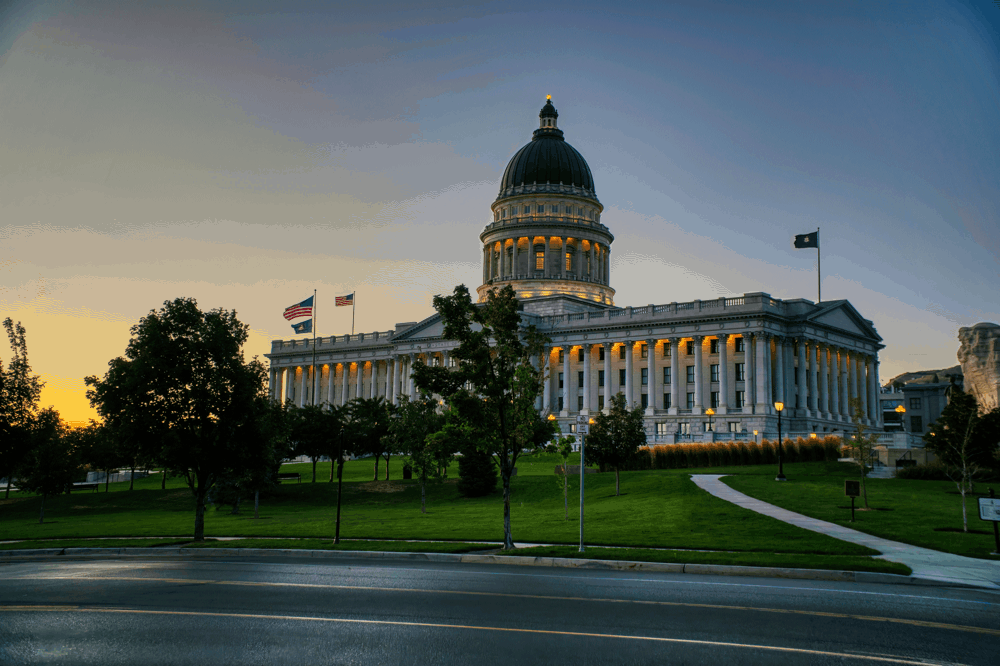
The Capitol is both an architectural landmark and an active seat of government. Visitors can appreciate its marble-lined interior and soaring rotunda while learning how Utah’s executive, legislative, and judicial branches operate.
Construction began in 1912 under architect Richard K. A. Kletting, and the building was completed in 1916. Its Neoclassical Revival design draws on Greek and Roman architectural traditions commonly associated with democratic government. Outside, local granite and 52 Corinthian columns give the structure its imposing profile.
A major restoration took place between 2004 and 2008. In addition to restoring historic details, the project added a base-isolation system intended to protect the building during an earthquake. That combination of historic preservation and modern engineering is one of the most interesting parts of the Capitol’s story.
The Capitol remains a working government building. Its chambers, offices, and ceremonial rooms are not simply preserved exhibits, so access to particular areas can vary according to official business.
Guided and Self-Guided Utah State Capitol Tours
Guided tours
The guided tour is the best choice for first-time visitors who want historical context. Tours cover the building’s architecture, Utah history, public art, and state government. They normally leave from the Visitor Center just inside the east entrance every hour from 10 a.m. to 3 p.m., Monday through Friday.
Allow at least an hour for arrival and the tour itself. If you also plan to walk the grounds or visit the Museum of Utah, reserve half a day.
Guided tours are not generally offered on state holidays, and the Capitol occasionally announces additional closures or schedule changes. Consult the official Capitol tour page for the current calendar.
Self-guided visits
A self-guided Capitol tour provides more flexibility. The official visitor brochure identifies significant rooms, artworks, architectural symbols, and historic displays, allowing guests to move at their own pace.
Look for recurring symbols such as beehives, laurel wreaths, lions, and acanthus leaves. These decorative details represent ideas including industry, unity, victory, strength, and civic authority.
Self-guided touring is also useful for families, photographers, and visitors who cannot arrive during weekday tour hours. Some rooms may be unavailable during meetings or government proceedings, but the rotunda and public corridors still offer plenty to see.
What to See Inside the Utah State Capitol
The rotunda
The rotunda is the visual centerpiece of the building. Its dome rises high above the main floor, while murals, decorative plasterwork, and large bronze sculptures fill the surrounding space. The four 11-foot bronze works in its niches portray adult mentors with younger figures and explore broad themes of Utah life.
Pause in the center and look upward before examining the art at ground level. The symmetry and changing natural light make this one of the Capitol’s most rewarding photography locations.
The legislative chambers
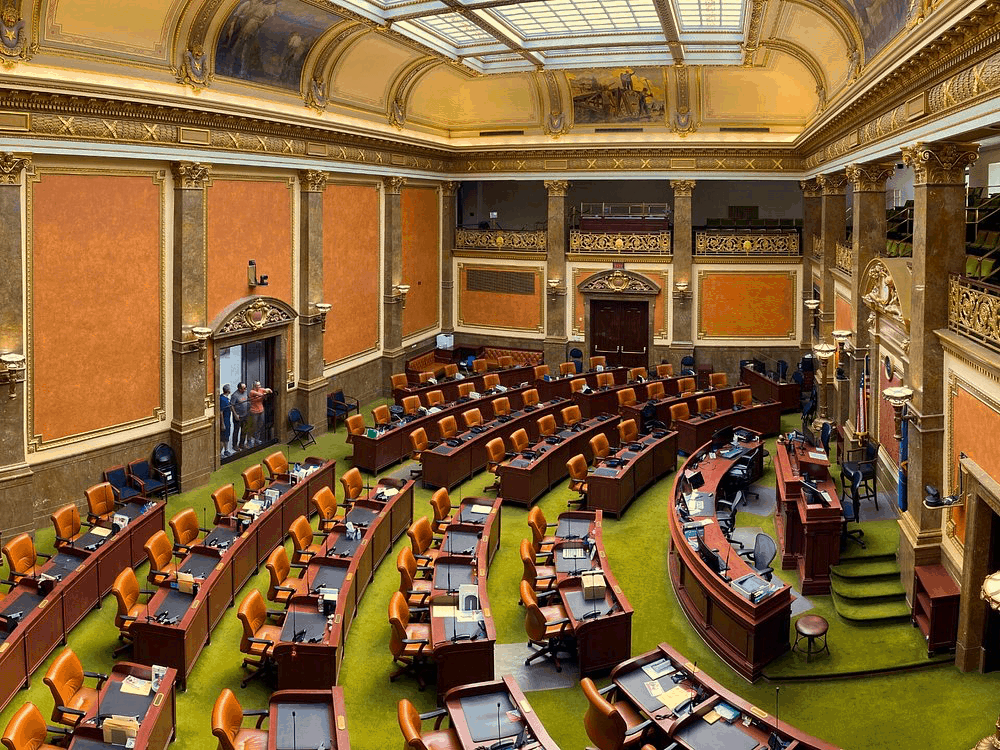
Utah’s Senate and House chambers help visitors understand that this historic building is still part of contemporary civic life. When accessible, gallery areas provide a view into the spaces where state laws are debated.
Anyone visiting during a legislative session should expect more activity, possible security procedures, and occasional access restrictions. On the positive side, a session-day visit can offer a closer look at government in action.
The Hall of Governors and State Reception Room
The Hall of Governors displays portraits and information about Utah’s past governors. Nearby, the formal State Reception Room—often called the Gold Room—features elaborate furnishings and decorative materials. It is used for ceremonial state functions, so entry may depend on the day’s schedule.
Murals and Utah symbols
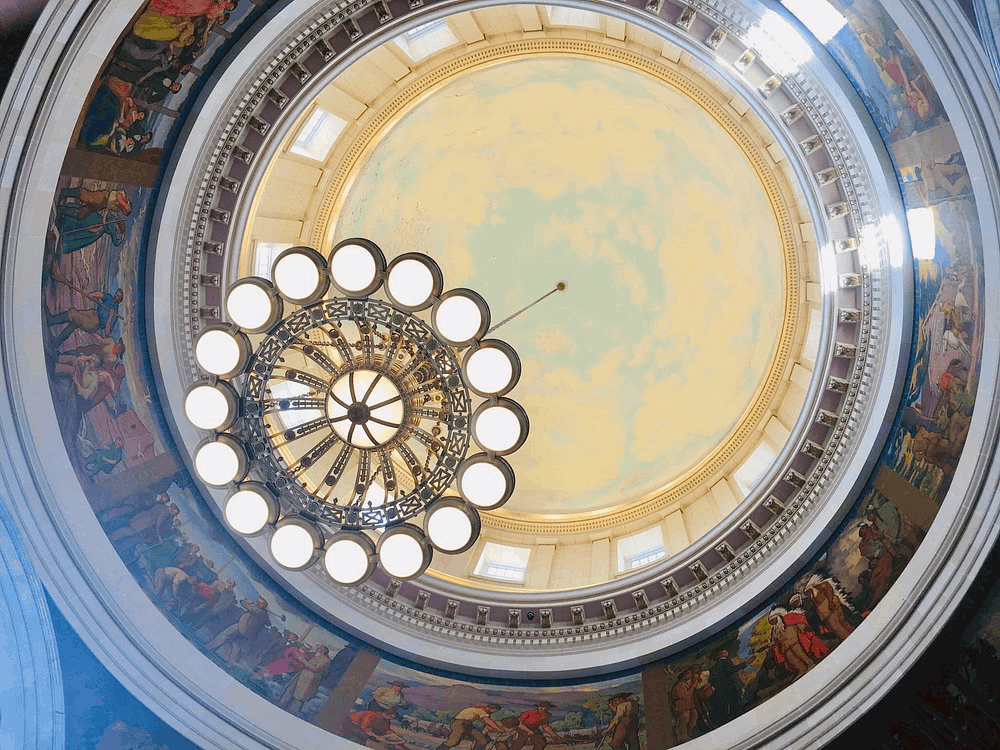
The building’s murals and historical artwork present stories about settlement, transportation, statehood, and civic identity. Rather than rushing between rooms, take time to read the interpretive material. Some works reflect the period in which they were created, making them useful starting points for thinking critically about how Utah’s history has been represented.
Explore the Capitol Grounds
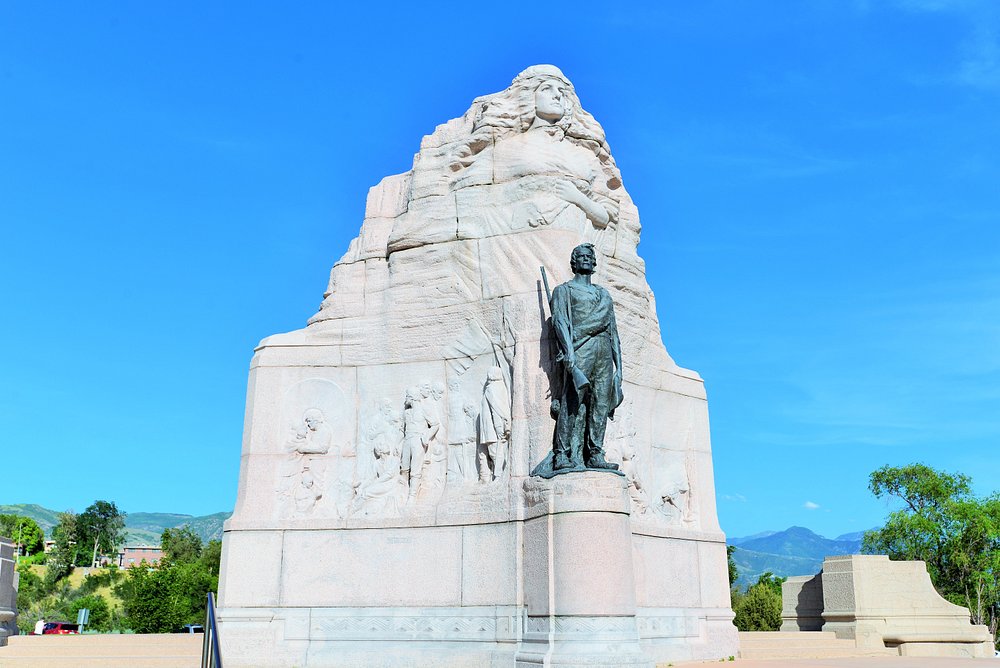
The grounds are worth visiting even when the weather makes a lengthy indoor tour less appealing. A roughly 0.7-mile memorial walkway circles the Capitol, passing statues, plaques, monuments, landscaped areas, and viewpoints.
The site’s elevated position offers expansive views across downtown and toward the surrounding mountains. Early morning and late afternoon usually provide attractive light, although winter weather and summer heat should influence your timing.
The Yoshino cherry trees are especially popular during their spring bloom, typically associated with April. Flowering dates vary with the weather, so visitors planning a photography trip should check recent local updates rather than relying on a fixed annual date.
Memory Grove Park and trails leading toward City Creek Canyon are also nearby. Combining the Capitol grounds with one of these outdoor areas creates a balanced itinerary of architecture, history, and nature.
Visit the Museum of Utah
The Museum of Utah is a major addition to the Capitol complex. Located in the North Capitol Building at 450 North State Street, it explores the state’s history, communities, culture, labor, art, and changing identity.
Admission is free. Current gallery hours are:
- Monday: 11 a.m. to 8 p.m.
- Tuesday through Thursday: 9 a.m. to 8 p.m.
- Friday through Sunday: 9 a.m. to 6 p.m.
Federal holidays and special events may affect opening times. Visitors who want a detailed museum experience should allow at least 90 minutes, while a shorter overview can fit into approximately 30 to 60 minutes.
The combination of a Capitol tour and the museum is particularly effective: the Capitol explains Utah’s government and civic architecture, while the museum provides a broader account of the people and events that shaped the state.
Utah State Capitol Parking, Entrances, and Accessibility
Public parking is available in lots on the east and northeast sides of the Capitol complex. Underground parking is located northeast of the North Capitol Building. Street parking may also be available around the perimeter, subject to posted signs and restrictions.
The principal public entrance to the Capitol is on the east side, where visitors will also find the tour meeting point. Confirm current access information if construction, a major event, or a legislative session is scheduled.
The complex provides accessible routes and facilities. Two wheelchairs may be available through Capitol Suite 120, but the Capitol recommends contacting Visitor Services in advance to reserve one. Guests who need accommodations should reach out before their visit rather than assuming that equipment will be available on arrival.
Capitol Hill rises above downtown, so walking there involves an uphill approach. Driving, rideshare service, or public transportation may be more comfortable for travelers with limited mobility. Transit routes and schedules can change, making the Utah Transit Authority’s current trip planner the best source for a specific travel date.
Nearby Salt Lake City Attractions
A Capitol visit pairs naturally with several nearby destinations.
The Pioneer Memorial Museum stands west of the Capitol and contains an extensive collection connected with Utah’s pioneer history. Admission is free, though its operating schedule differs from that of the Capitol.
Temple Square, the Church History Museum, FamilySearch Library, Utah Museum of Contemporary Art, and Abravanel Hall are located farther downhill in or near downtown. Visitors should check individual opening information because construction and institutional schedules can affect access.
For outdoor time, consider Memory Grove Park, City Creek Canyon, or Ensign Peak. The latter involves a hike and should not be treated as a quick extension of an indoor tour, especially in heat, snow, or icy conditions.
When Is the Best Time to Visit?
Weekday mornings are generally best for visitors who want a guided tour and time to explore before the afternoon. Arriving before the first scheduled tour also provides a buffer for parking and security.
Spring brings flowering trees and comfortable walking weather, although bloom timing is unpredictable. Summer offers long daylight hours but can be hot and dry. Autumn is well suited to outdoor walks, while winter can produce beautiful snow-covered views alongside cold temperatures and slippery paths.
During Utah’s legislative session, visitors may enjoy the extra civic activity, but they should also expect busier public spaces and more restricted access. For a quieter architectural visit, choose a non-session weekday and avoid major state events.
Why The Anniversary Inn, Salt Lake City Is Relevant
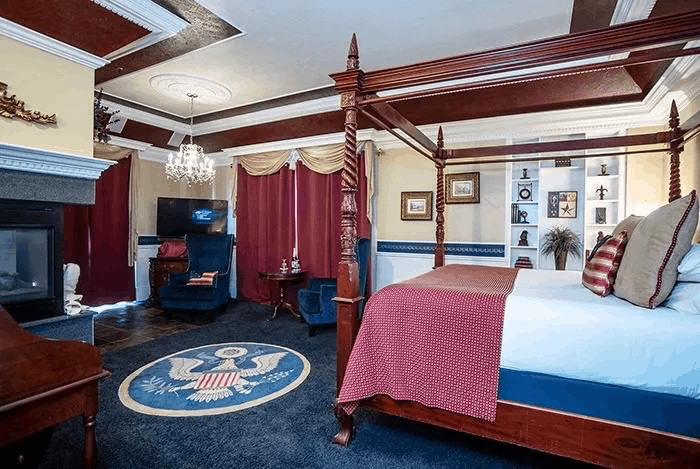
Travelers researching a Utah State Capitol visitor guide may also be choosing accommodations for a special occasion. The Anniversary Inn is relevant because it operates two adults-only Salt Lake City properties with individually themed suites: Salt Lake 5th South at 1000 East 500 South and Salt Lake South Temple at 678 East South Temple.
The South Temple location is the more convenient of the two for reaching Capitol Hill and downtown attractions. The 5th South property is farther southeast but still provides access to central Salt Lake City.
The Anniversary Inn differs from a conventional downtown business hotel. Its focus is on themed stays for couples, with features advertised across the brand including breakfast, sparkling cider on arrival, and jetted tubs. Individual suite designs vary, so guests should review the exact room description rather than assuming every suite has an identical layout or atmosphere.
For couples, a Capitol visit can become part of a broader Salt Lake City getaway: tour the building, walk the grounds, have dinner downtown, and return to a distinctive themed suite. Travelers primarily seeking meeting facilities, a traditional full-service hotel, or the shortest possible walk to downtown offices may prefer to compare other lodging categories.
A Simple Half-Day Capitol Itinerary
Begin at the east entrance shortly before a weekday guided tour. Spend 40 to 45 minutes learning about the building, then revisit the rotunda and public art independently.
Next, walk part or all of the memorial loop around the grounds. Continue to the Museum of Utah in the North Capitol Building and allow at least an hour for its galleries. If time and opening hours permit, finish at the Pioneer Memorial Museum or descend toward downtown.
Bring comfortable shoes, water, sun protection in warm weather, and an extra layer in cooler months. Check tour notices, museum hours, and weather conditions on the morning of your visit.
Plan Your Next Trip and Book Direct
The Utah State Capitol deserves more than a quick photo stop. With free tours, historic chambers, mountain views, landscaped grounds, and the new Museum of Utah, it can anchor an engaging half-day in Salt Lake City.
If your travels next take you to California, reserve directly with Rose Garden Inn, San Jose. The inn offers practical access to San Jose Mineta International Airport, SAP Center, Diridon Station, the Municipal Rose Garden, and other Silicon Valley destinations, along with free guest parking and no resort fee. Visit the official Rose Garden Inn website to check current rates, review room options, and book direct for the best available rate.